Study Says the Human Brain Is Really Two Nervous Systems in One
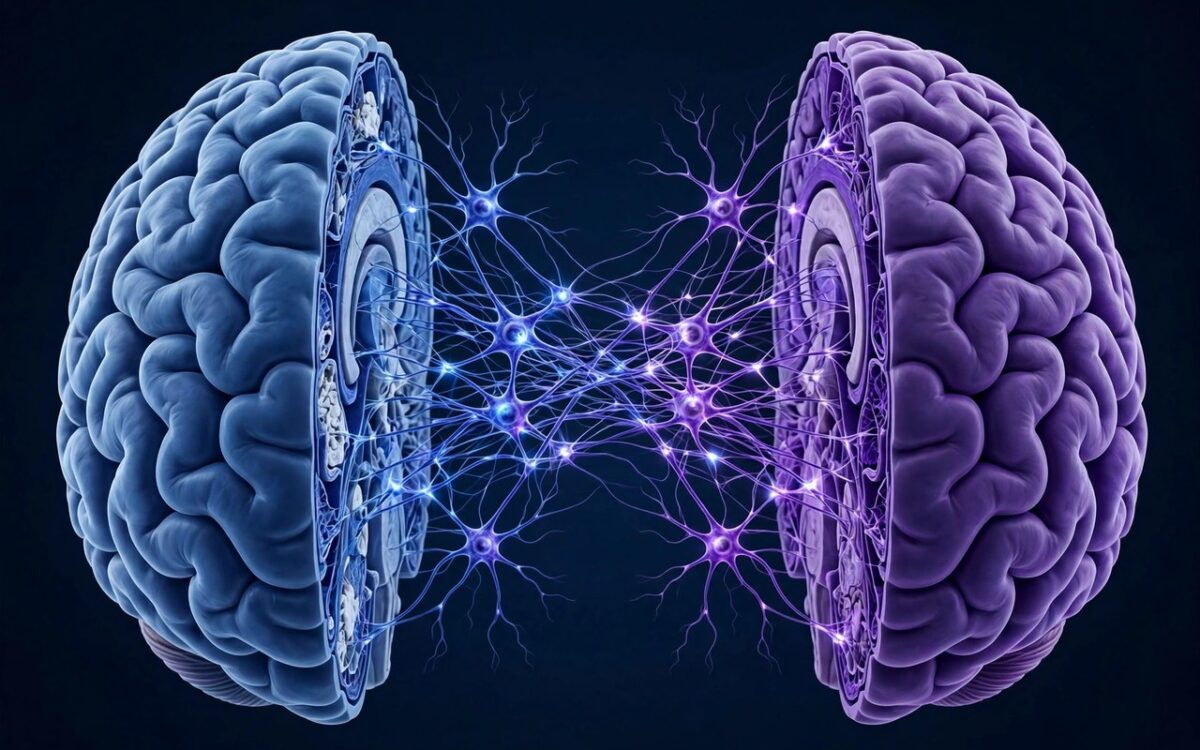
New research suggests the human brain is not one organ but two ancient nervous systems packed together in the skull. The study was published on September 18 in the journal Nature Neuroscience.
Scientists at Stanford Medicine traced the brain back to the earliest days of embryonic growth. In mouse embryos, they found two separate groups of progenitor cells. One group, marked by the gene Otx2, builds the forebrain and midbrain. The other, marked by the gene Gbx2, builds the hindbrain. The two groups never mix.
“Our research suggests that evolution took two existing neural systems and pushed them together,” said study co-author Kyle Loh, a developmental biologist at Stanford.
The forebrain handles higher functions like language and abstract thought. The hindbrain controls automatic tasks like breathing, heartbeat, and sleep. The two systems evolved separately over about 500 million years before merging.
Using the finding, the team became the first to grow hindbrain motor nerve cells from human stem cells in a lab dish. This could help study brainstem diseases such as SMA and ALS.

Khabar 24h Editorial Desk — our explainers are prepared by the Khabar 24h editorial team using AI-assisted research tools, and every piece is reviewed by a human editor before publishing. We do not claim original reporting: our work is turning complex topics into simple, accurate summaries. Spotted an error? Write to contact@khabar24h.com — our corrections policy aims for same-day review.
More from this author →
Leave a Reply