Ancient Crocodile Species Named From Sphinx’s Bedrock
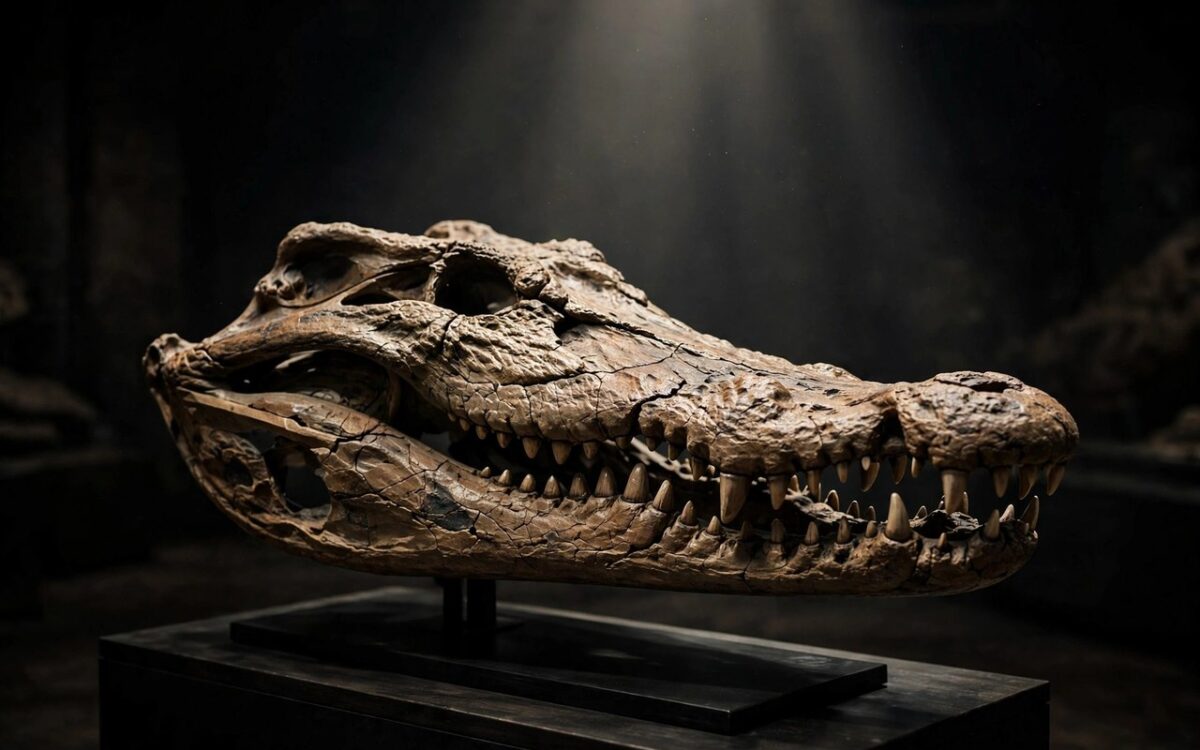
A new species of ancient crocodile has been named from fossils found in the same limestone beds that built the Great Sphinx of Giza.
The species, Herugavialis cairensis, was described from Mokattam limestone deposits. Like the Sphinx, the fossil is missing the tip of its snout.
The study was published in Royal Society Open Science on October 7. It adds a new chapter to the story of Egypt's ancient waterways.
Researchers say the crocodile lived in the rivers and swamps of what is now Egypt millions of years ago. The limestone that entombed it later became the bedrock for one of the world's most famous monuments.
The Sphinx was carved directly from the Mokattam bedrock around 4,500 years ago. Fossils from the same rock layer offer a window into a much older Egypt.
Scientists hope further digs in the area will reveal more about the region's prehistoric wildlife.
The find was published after years of comparative study of the fossil material.

Khabar 24h Editorial Desk — our explainers are prepared by the Khabar 24h editorial team using AI-assisted research tools, and every piece is reviewed by a human editor before publishing. We do not claim original reporting: our work is turning complex topics into simple, accurate summaries. Spotted an error? Write to contact@khabar24h.com — our corrections policy aims for same-day review.
More from this author →
Leave a Reply