Blocking Ageing Protein Regrew Knee Cartilage in Mice
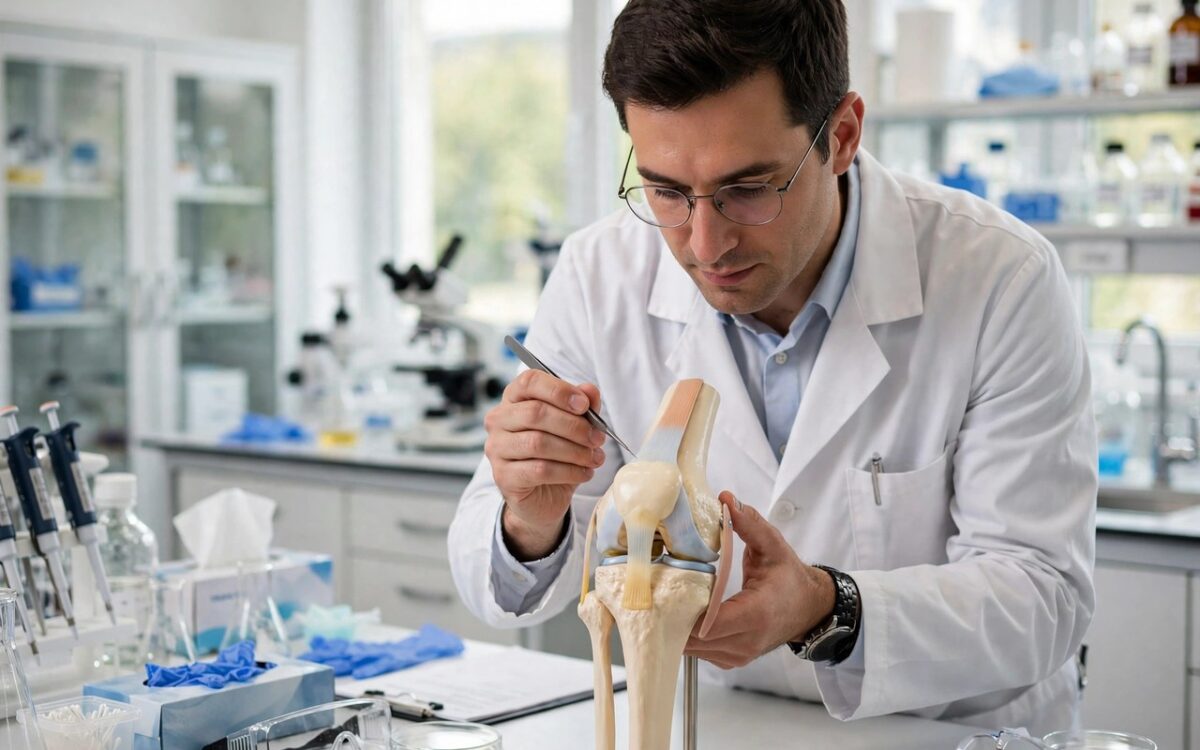
Scientists at Stanford Medicine have found that blocking a protein linked to ageing can reverse cartilage loss in the knees of old mice, according to a study published in the journal Science.
The protein, called 15-PGDH, rises in the body with age. Researchers call it a ‘gerozyme’, a master regulator of ageing. An injection that blocks it reversed the cartilage loss that had built up over the mice’s lifetimes.
The treatment also prevented arthritis after knee injuries similar to ACL tears in about half the treated animals. This matters because such sports injuries often lead to osteoarthritis later in life.
In a striking result, human cartilage taken from knee-replacement surgeries began producing new, working cartilage when exposed to the same treatment in the lab.
An oral version of the drug is already in clinical trials for age-related muscle weakness. A trial for cartilage repair is planned. The treatment is not yet available for patients.

Khabar 24h Editorial Desk — our explainers are prepared by the Khabar 24h editorial team using AI-assisted research tools, and every piece is reviewed by a human editor before publishing. We do not claim original reporting: our work is turning complex topics into simple, accurate summaries. Spotted an error? Write to contact@khabar24h.com — our corrections policy aims for same-day review.
More from this author →
Leave a Reply