US shutdown showdowns explained: what happens if funds run out
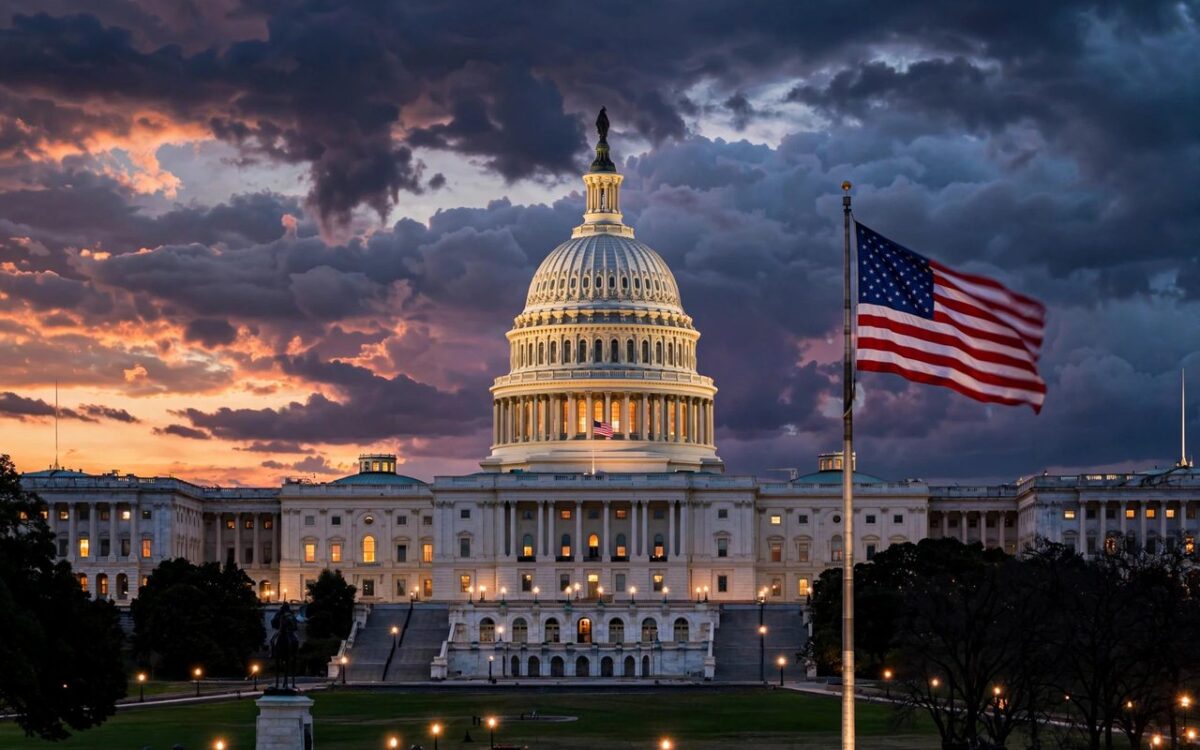
US government shutdowns happen when Congress fails to pass funding laws. Every year, Congress must approve 12 appropriation bills or a short-term stopgap called a continuing resolution before the fiscal year starts on October 1. Without either, a funding gap forces parts of the government to shut down.This time, Congress passed a continuing resolution signed on September 2, 2026, funding the government through December 11. The next showdown arrives when that deadline hits. Last year saw a record 43-day shutdown, and watchers expect December to bring tense negotiations again.During a shutdown, agencies furlough workers deemed non-essential. Essential staff such as active-duty military, air traffic controllers and law enforcement keep working, often without pay until funding returns. National parks and federal museums close or run with reduced staff. Passport and visa processing slows.Social Security and Medicare payments generally continue because they come from mandatory spending, not annual appropriations. But nutrition assistance, housing vouchers and federal loans can face delays. The Congressional Budget Office has estimated shutdowns cost hundreds of millions of dollars a day in lost compensation.
Related stories
View all →
Bitcoin’s $83,000 rebound explained
Why bitcoin bounced above $83,000: Trump's Iran statement, ETF outflows, and the key levels traders watch.

Starlink Mobile explained: SpaceX’s carrier play
How SpaceX's 800 MHz spectrum deal and 15,000 new satellites could turn Starlink Mobile into a US carrier.

El Nino explained: why Maharashtra is parched
What El Nino is, how it weakens the monsoon, and why it left Maharashtra declaring drought in 265 talukas.

Khabar 24h Editorial Desk — our explainers are prepared by the Khabar 24h editorial team using AI-assisted research tools, and every piece is reviewed by a human editor before publishing. We do not claim original reporting: our work is turning complex topics into simple, accurate summaries. Spotted an error? Write to contact@khabar24h.com — our corrections policy aims for same-day review.
More from this author →
Leave a Reply