Cancer trial drug may work differently than scientists thought
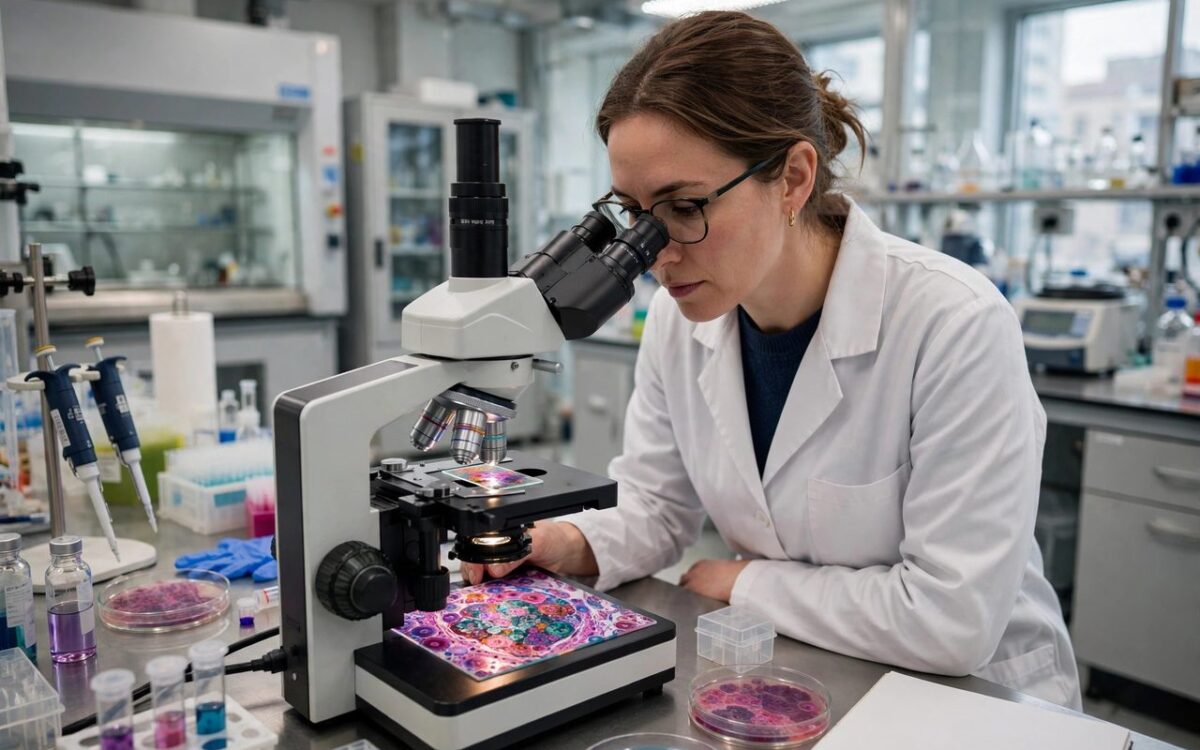
An experimental cancer drug may work in a way scientists did not expect. The drug is called zavondemstat. It is being tested in patients with colorectal, pancreatic and prostate cancer. A new study says it does not mainly target the protein it was designed to hit. The study was published in Nature Chemical Biology. Researchers from the University of Sydney led the work. They teamed up with Goethe University, Oxford University and the Institute of Cancer Research in London. The drug was built to block KDM4 proteins. These proteins can help cancer cells grow and spread. Instead, the study found the drug mainly blocks DHODH. DHODH is an enzyme cancer cells use to make building blocks for DNA. Lead author Professor Lenka Munoz explained the finding simply. She said DHODH works like a machine making bricks for new DNA. Switch it off and the cell cannot copy its DNA and keep dividing. The finding could change how past studies are read. It may also affect the ongoing clinical development of zavondemstat. The discovery came from tests on glioblastoma, an aggressive brain cancer.

Khabar 24h Editorial Desk — our explainers are prepared by the Khabar 24h editorial team using AI-assisted research tools, and every piece is reviewed by a human editor before publishing. We do not claim original reporting: our work is turning complex topics into simple, accurate summaries. Spotted an error? Write to contact@khabar24h.com — our corrections policy aims for same-day review.
More from this author →
Leave a Reply