IEA’s emergency oil release: what it means for fuel prices
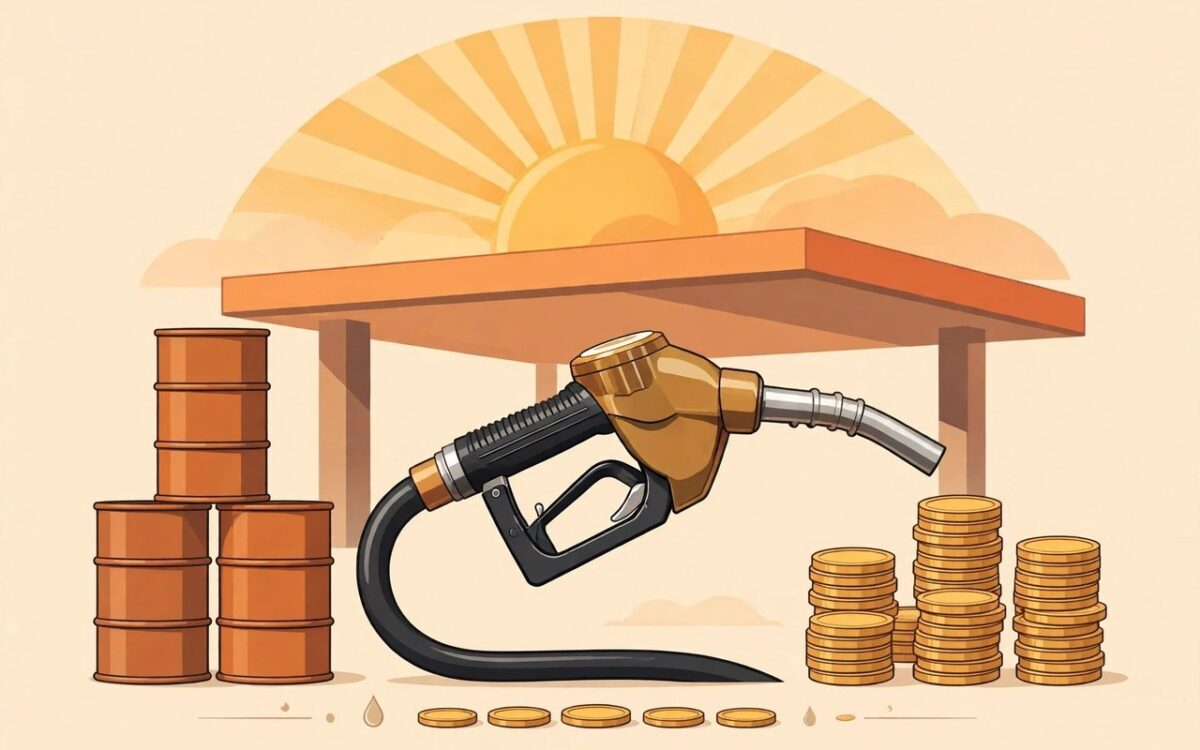
Governments are pumping oil from emergency reserves to calm fuel markets. Here is what the IEA’s big release means for prices at the pump.
Strategic reserves are government-owned oil stockpiles for crises. In March, 32 IEA members pledged 400 million barrels, the largest such release ever. About 325 million barrels have now been released.
The trigger is a supply squeeze. Iran has restricted shipping through the Strait of Hormuz, a key oil route. Ukrainian strikes on Russian refineries have cut diesel output.
Diesel is the pinch point. It powers trucks, tractors, factories and construction. When diesel runs short, transport and food costs rise across the economy.
There is an important distinction. Crude oil flows from the Middle East have largely recovered, the IEA says. But refined products like diesel remain tight because refineries are damaged or disrupted.
Releases help but do not fix the root causes. They buy time and calm markets. Pump prices should ease, yet fresh attacks or refinery outages could quickly reverse the relief.
Related stories
View all →
Bitcoin’s $83,000 rebound explained
Why bitcoin bounced above $83,000: Trump's Iran statement, ETF outflows, and the key levels traders watch.

Starlink Mobile explained: SpaceX’s carrier play
How SpaceX's 800 MHz spectrum deal and 15,000 new satellites could turn Starlink Mobile into a US carrier.

El Nino explained: why Maharashtra is parched
What El Nino is, how it weakens the monsoon, and why it left Maharashtra declaring drought in 265 talukas.

Khabar 24h Editorial Desk — our explainers are prepared by the Khabar 24h editorial team using AI-assisted research tools, and every piece is reviewed by a human editor before publishing. We do not claim original reporting: our work is turning complex topics into simple, accurate summaries. Spotted an error? Write to contact@khabar24h.com — our corrections policy aims for same-day review.
More from this author →
Leave a Reply