UN Sea-Level Declaration Explained: What It Means for Island Nations
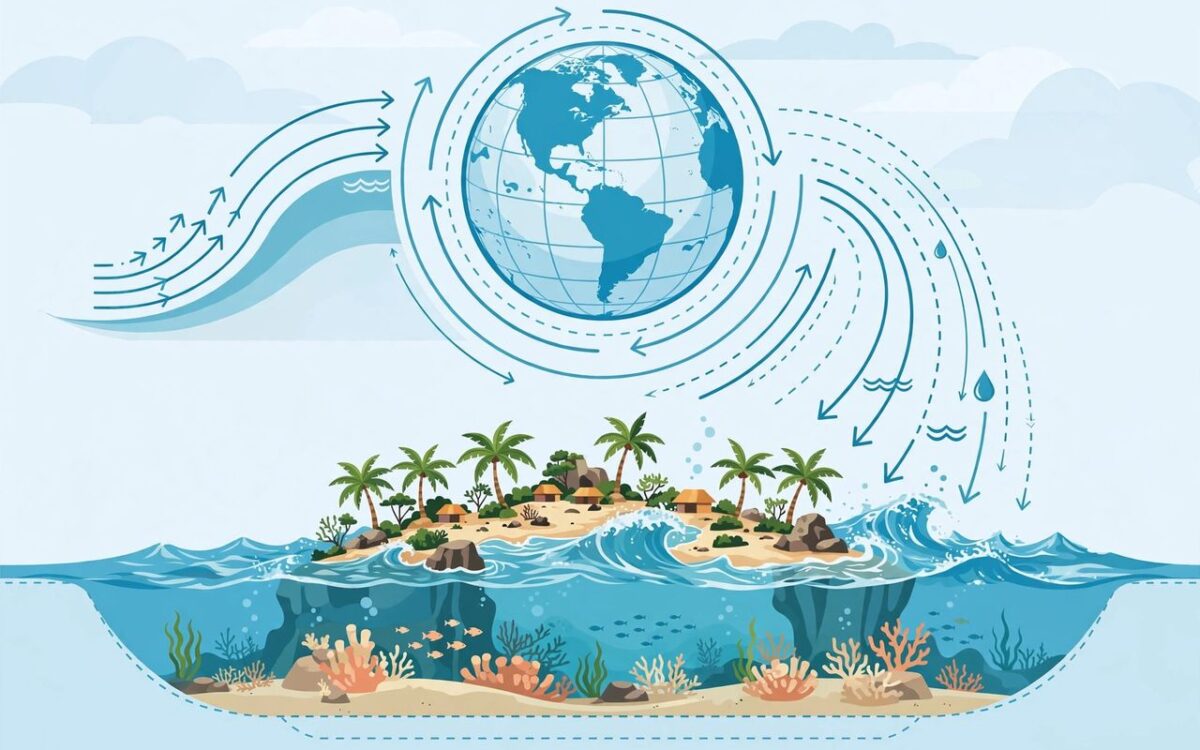
The United Nations General Assembly has adopted a political declaration on sea-level rise, answering a huge legal question for small island nations: does their statehood survive if their land disappears underwater?
What was adopted. After a high-level plenary on October 1, the Assembly adopted by consensus a concise declaration on the existential threats of sea-level rise, according to the UN.
What it says about statehood. The declaration responds to island nations’ biggest fear: that losing territory could mean losing statehood. It addresses continuity of statehood and the protection of persons affected by sea-level rise.
What about borders. The declaration takes up the preservation of maritime zones, meaning countries like the Maldives should not lose their exclusive economic zones as shorelines shift. This protects fishing and seabed rights.
What it does not do. A political declaration is not a binding treaty. It creates political pressure and a framework for future talks, including a Global Plan of Action for 2026-2036.
Why it matters. For low-lying nations, this is the first time the UN has collectively recognised that sea-level rise threatens their very existence as states. The words adopted now will shape treaty talks for years.
Related stories
View all →
Bitcoin’s $83,000 rebound explained
Why bitcoin bounced above $83,000: Trump's Iran statement, ETF outflows, and the key levels traders watch.

Starlink Mobile explained: SpaceX’s carrier play
How SpaceX's 800 MHz spectrum deal and 15,000 new satellites could turn Starlink Mobile into a US carrier.
El Nino explained: why Maharashtra is parched
What El Nino is, how it weakens the monsoon, and why it left Maharashtra declaring drought in 265 talukas.

Khabar 24h Editorial Desk — our explainers are prepared by the Khabar 24h editorial team using AI-assisted research tools, and every piece is reviewed by a human editor before publishing. We do not claim original reporting: our work is turning complex topics into simple, accurate summaries. Spotted an error? Write to contact@khabar24h.com — our corrections policy aims for same-day review.
More from this author →
Leave a Reply