Explained: Germany’s plan to end fossil fuels by 2045
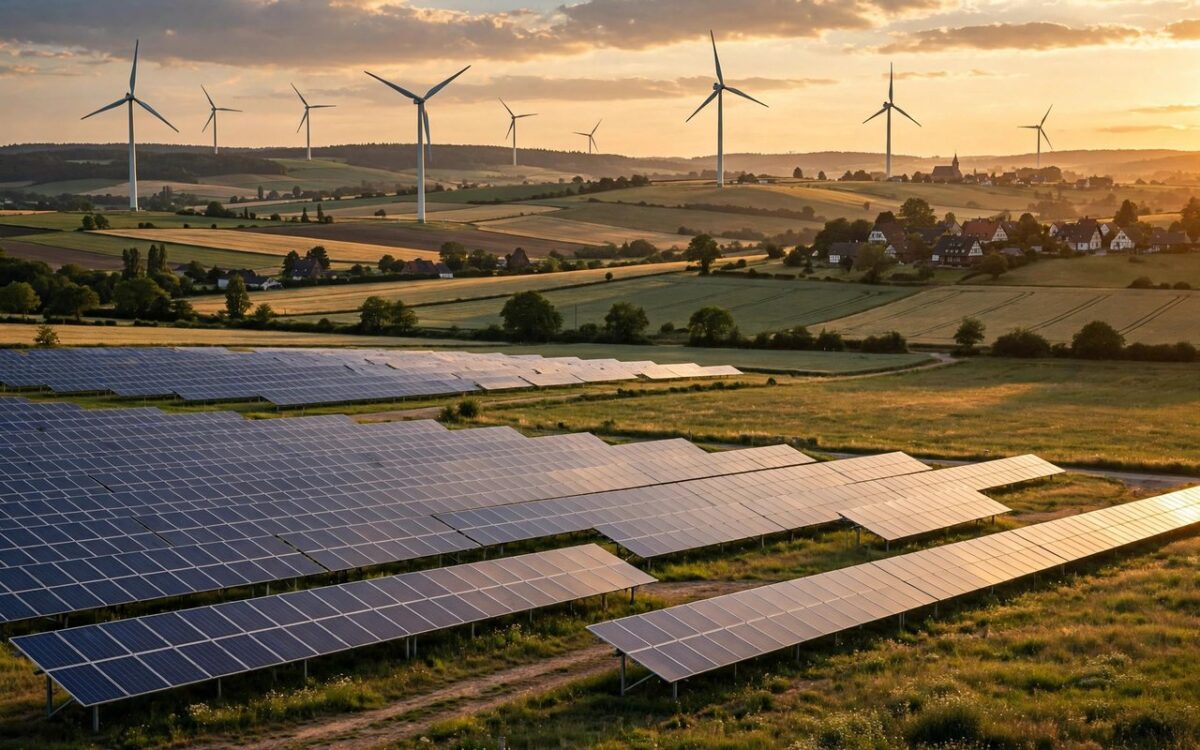
Germany’s cabinet has approved a roadmap to phase out coal, oil and gas by 2045. It is the third country after France and the Netherlands to adopt such a plan, and the first time Germany has made ending fossil fuels an explicit goal.
The plan was presented at the UN General Assembly in New York by Environment Minister Carsten Schneider. He said the war in the Middle East showed why dependence must end: “If the situation in the Strait of Hormuz determines whether people can afford their daily commute to work, that is not a good state of affairs.”
Electricity is central. Renewables now supply about 55 percent of Germany’s electricity; the target is at least 80 percent by 2030, with 215 GW of solar and 12 GW of onshore wind to be added.
EU fleet rules should make battery-electric cars 100 percent of new registrations by 2035, heat pumps should dominate heating, and coal power should end by 2038 — possibly 2035.
The plan is not without friction. Economy Minister Katherina Reiche wants more room for combustion engines using alternative fuels. But for Europe’s largest economy, the direction is now official: electrify everything.
Related stories
View all →
Bitcoin’s $83,000 rebound explained
Why bitcoin bounced above $83,000: Trump's Iran statement, ETF outflows, and the key levels traders watch.

Starlink Mobile explained: SpaceX’s carrier play
How SpaceX's 800 MHz spectrum deal and 15,000 new satellites could turn Starlink Mobile into a US carrier.

El Nino explained: why Maharashtra is parched
What El Nino is, how it weakens the monsoon, and why it left Maharashtra declaring drought in 265 talukas.

Khabar 24h Editorial Desk — our explainers are prepared by the Khabar 24h editorial team using AI-assisted research tools, and every piece is reviewed by a human editor before publishing. We do not claim original reporting: our work is turning complex topics into simple, accurate summaries. Spotted an error? Write to contact@khabar24h.com — our corrections policy aims for same-day review.
More from this author →
Leave a Reply