Why a bone scan could flag brain decline, explained
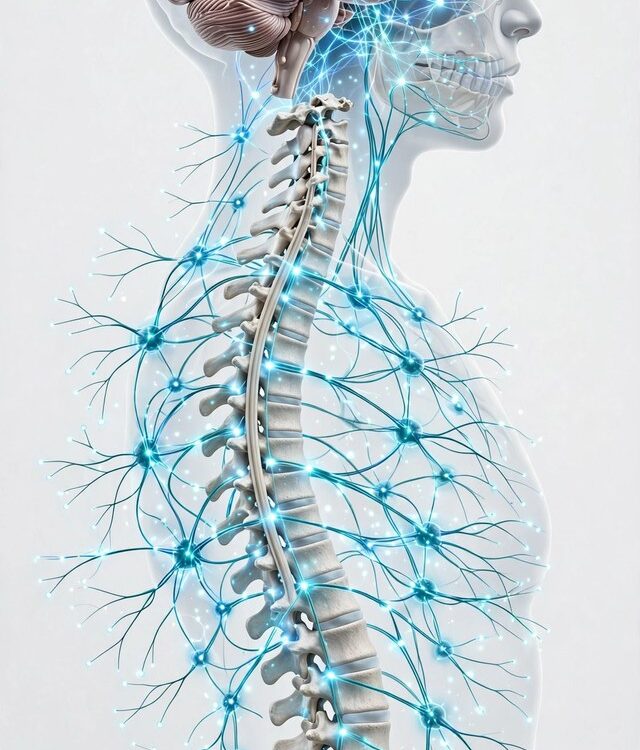
A routine bone scan could one day flag people at risk of brain decline. Here is how the bone-brain link works.
The study looked at spinal bone mineral density, measured from ordinary chest CT scans, and compared it with brain MRI results and cognitive tests over about five years in 715 older adults.
People with lower bone density lost global cognition faster. Their brains also accumulated more white matter hyperintensities, bright spots of damaged wiring, in the corpus callosum, the cable bundle linking the brain’s halves that supports planning and attention, Medscape reported.
White matter acts like electrical cable between brain regions. When it degrades, signals slow. That breakdown is linked to vascular dementia and Alzheimer’s risk.
Crucially, the study does not prove weak bones cause dementia. The researchers say shared underlying factors, possibly vascular or inflammatory, may be degrading both tissues.
Why it matters: chest CTs are already done for lung screening and calcium scoring. If bone density in those scans can double as an early warning for brain decline, doctors could spot at-risk patients sooner and start monitoring earlier.
Related stories
View all →
Bitcoin’s $83,000 rebound explained
Why bitcoin bounced above $83,000: Trump's Iran statement, ETF outflows, and the key levels traders watch.

Starlink Mobile explained: SpaceX’s carrier play
How SpaceX's 800 MHz spectrum deal and 15,000 new satellites could turn Starlink Mobile into a US carrier.

El Nino explained: why Maharashtra is parched
What El Nino is, how it weakens the monsoon, and why it left Maharashtra declaring drought in 265 talukas.

Khabar 24h Editorial Desk — our explainers are prepared by the Khabar 24h editorial team using AI-assisted research tools, and every piece is reviewed by a human editor before publishing. We do not claim original reporting: our work is turning complex topics into simple, accurate summaries. Spotted an error? Write to contact@khabar24h.com — our corrections policy aims for same-day review.
More from this author →
Leave a Reply